

Ben's Story
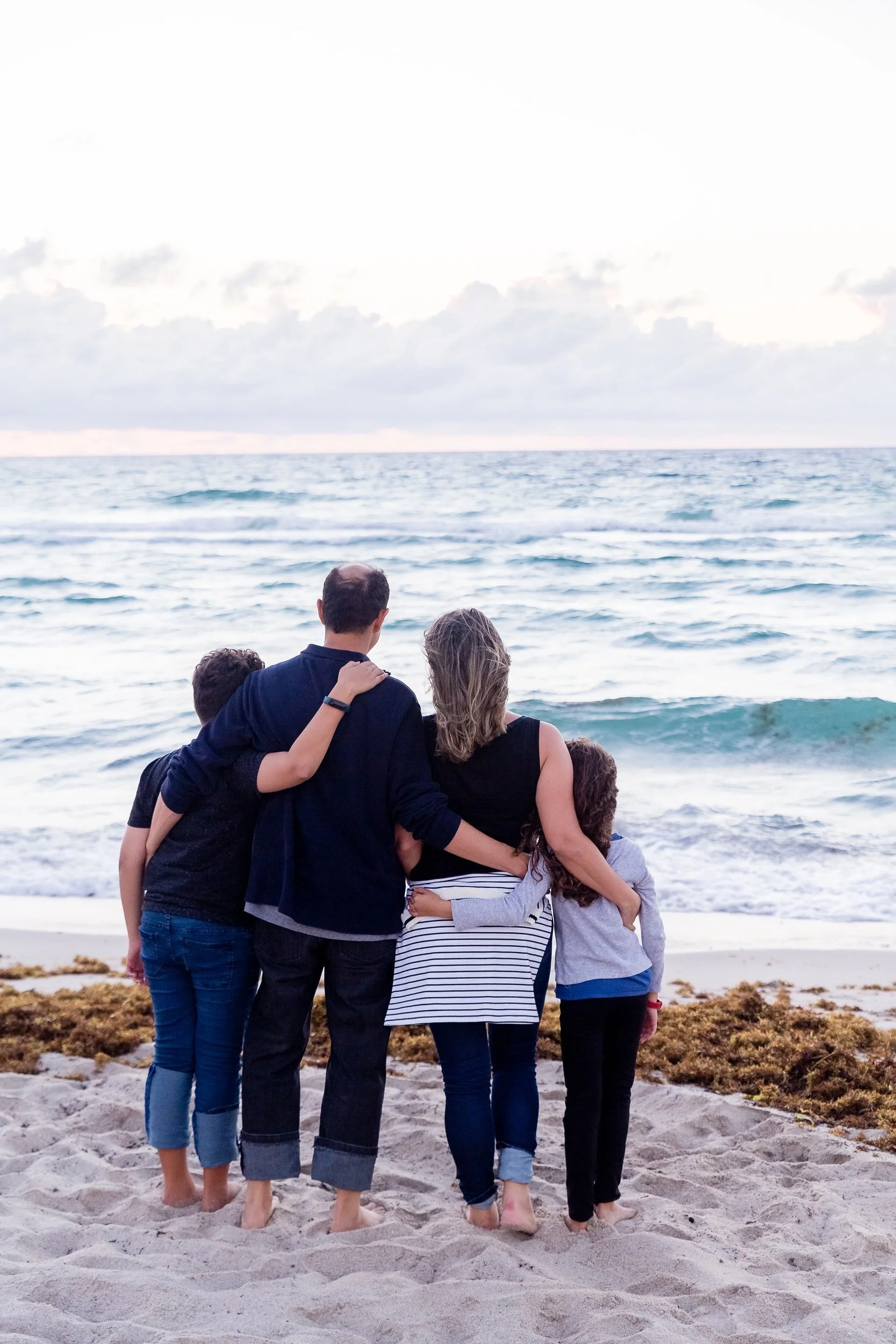
For me, my thoughts to take my own life occurred before retiring from the Army. My career suffered a major setback when I was passed over for promotion. This setback caused me to question myself and my abilities. It sent me down a path where I questioned my own self-worth. Unfortunately, this setback also caused me to withdraw from everyone except those closest to me because I did not want to answer questions and I felt that I had let everyone down. I started developing a high degree of anxiety and was fearful of talking to or running into someone outside of work.
Fortunately, I was selected for promotion after the next board and was deployed to Iraq. While in Iraq, my family noticed a significant change. I was angry during phone calls and would get upset at trivial things. My wife chalked it up to deployment stress and thought my mood would improve upon my return. Unfortunately, after returning from Iraq, I noticed that I was always tired. I was not working out and I would fall asleep if stopped at red lights and even while at my stand up desk. This just compounded onto issues I was already having (undiagnosed PTSD, hypothyroidism, depression, and anxiety). I also noticed that I was in an almost constant state of anger and rage. I was mad at myself, mad that I was not living up my own expectations, mad my situation, mad at the Army, and mad at the world. This anger caused me to loathe myself. Unfortunately, I would direct the anger and rage I felt at those closest to me, my friends and family.
I noticed my family, who should feel safe and be at ease around me, were walking on eggshells. They were never sure what would set me off and always bracing for my reaction. It was as if I was watching a movie starring the worst version of myself. Worst of all, despite my best efforts, I could not break out of the cycle of anger. It was a vicious cycle; I would wake up angry and full of rage and then become even more angry because I should know better and be able to fix it. It seemed there was no way out of this very dark place. I didn’t reach out for help because I worried I would be seen as weak and undependable.
It all came to a head one summer weekend. We had extended family visiting and were at the beach. I wanted to have a nice time, but I was angry. My anger was ruining my time and everyone else’s. I ended up leaving the group and went home. The next day, due to a miscommunication about time and location for dinner, I ended up alone home. I thought everyone was intentionally avoiding me. I thought about how if I left everyone would be much happier and I would be done with my anger. I had my pistol and laid down on the bed.
Just as I was about to go through with it, a scene from the John Wayne movie The Alamo came to mind. In the scene, John Wayne, as Davy Crockett, told Jim Bowie not to kill a man in anger because of children in the fort. Davy Crockett said, “That little girl in there, she won’t like it.” That scene gave me pause, which caused me to reconsider my actions.
If I took my life, my family would find me in the most horrible state. Their last memory of me would be an absolute horror and they would be left wondering why, and what could they have done? I knew there would be no answer and this action would damage and alter their lives forever. I could not do that. I then decided to get up and go to Denny’s for dinner and while eating, I called an old teammate. I never told him the reason I called but talking with him put me into a better mental state. I worked through my thoughts and get through the tough time. I vowed not to quit. I wanted to stay with my wife and watch our children grow. I would fight with everything I had to “continue to march” and be with my family. I had recently started seeing a psychologist at the Command, but I became more determined to get better and choose to be happy.
I was also blessed to gain admission to the James A. Haley VA Polytrauma Rehabilitation Center PREP Program for Special Operations Personnel at the Tampa Veterans’ Administration Hospital. At PREP I was diagnosed with PTSD and Mild Traumatic Brain Injury and continue with rehabilitative care and therapy.
Most importantly, I realized I was not alone, and some of my closest friends were experiencing similar issues. Reaching out to them has helped immensely. Recently, after a call with a close friend, my son recommended I call them more often as the call immensely improved my demeanor. It’s amazing the amount of good a phone call can do.